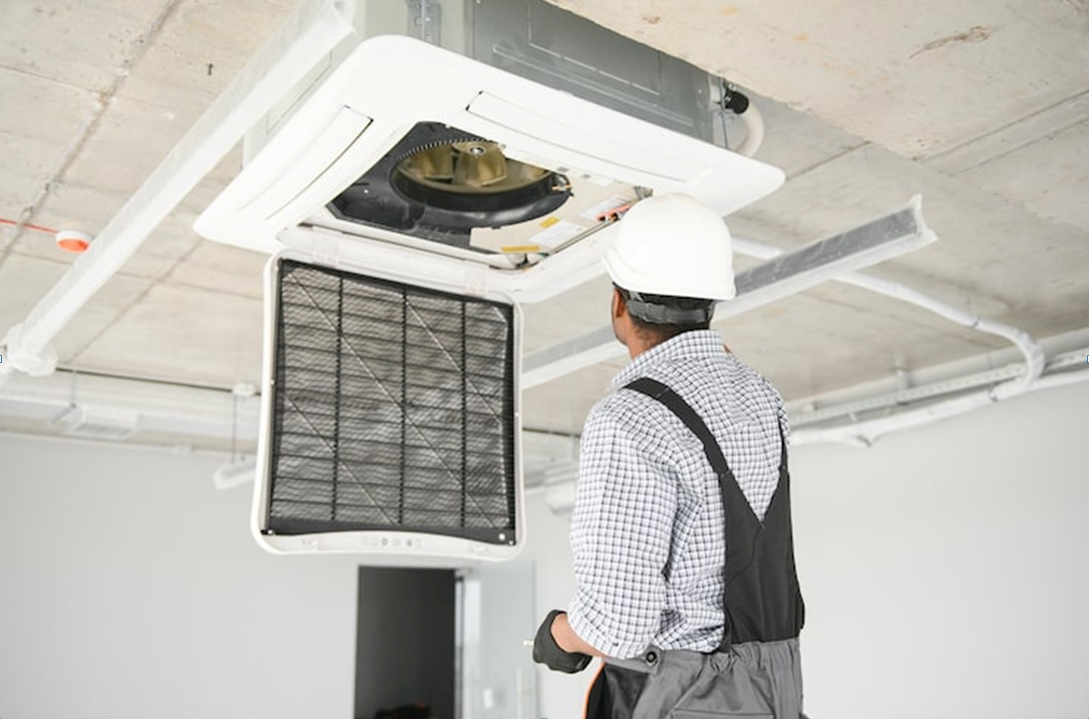
How to Clean Return Air Vents Properly
Return air vents play a crucial role in your home’s HVAC system. They pull air from your living spaces into the heating and cooling system so it can be filtered, conditioned, and redistributed. When these vents become dirty, clogged, or blocked, the entire system becomes less efficient. Poorly maintained return air vents also lower indoor air quality and may worsen allergies, asthma, and general comfort.
This extensive guide explains how to clean return air vents properly, why maintaining them matters, and the best practices used by professionals. Whether you do your own routine cleaning or hire experts like sanitairllc air duct cleaning salt lake city, this article gives you everything you need.
Why Return Air Vent Cleaning Matters
Many homeowners dust furniture, vacuum carpets, and scrub kitchens, but they completely forget about their return air vents. Since the vents are constantly pulling air inward, they also pull in dust, hair, pet dander, pollen, mold spores, lint, and debris.
Over time, this buildup becomes thick enough to reduce airflow, create unpleasant smells, strain the HVAC system, and spread contaminants across the home.
Below are some of the major reasons proper cleaning of return air vents matters.
1. Improved Indoor Air Quality
The more dust and debris that enter the vent, the more your HVAC system recirculates them. Dirty vents can cause:
Sneezing and coughing
Aggravated asthma
Irritated skin and eyes
Increased allergy symptoms
More dust settling on household surfaces
A clean return vent helps the air filter and the rest of the system do their job more effectively.
2. Better HVAC Efficiency
Restricted airflow forces your HVAC system to work harder. This extra strain can cause:
Higher utility bills
Overheated components
Reduced cooling and heating performance
Premature system failure
Keeping vents clear and clean is one of the easiest ways to support your entire HVAC system.
3. Extended System Lifespan
Less dirt entering the system means less strain on coils, blowers, motors, and internal components. Even small reductions in dust intake help prolong the lifespan of expensive HVAC equipment.
4. Cleaner Home Environment
Dusty vents release particles back into the room every time the system cycles on. This creates the feeling that your home gets dusty no matter how often you clean it. Maintaining the return vents reduces the overall dust load in your living space.
5. Reduced Odors
Dust, moisture, pet dander, mold, and old debris create musty smells. If your home has a stale or dirty odor when the HVAC turns on, dirty return vents may be part of the problem.
How Return Air Vents Work
To properly perform cleaning, it helps to understand what return vents actually do.
The Role of Return Vents
A forced-air HVAC system has two basic vent types:
Supply vents, which blow conditioned air into rooms
Return vents, which pull indoor air back into the system
Return vents help balance air pressure, distribute heat and cooling evenly, and allow the system to recirculate air.
What Happens If Return Vents Are Dirty
Dust-covered return vents restrict air from entering the HVAC system. When airflow weakens:
The blower motor works harder
The system struggles to reach desired temperatures
Energy costs increase
Indoor air becomes stale
Neglecting the vents also increases the amount of dust entering the ducts, which eventually requires deeper duct cleaning utah services.
How Often Should You Clean Return Air Vents?
The ideal frequency depends on lifestyle, home conditions, and local environment.
General Recommendation
Most households should clean vents every two to three months.
Clean More Frequently If You Have:
Pets that shed
Smokers in the home
Recent construction or remodeling
A dry climate with airborne dust
Allergies or asthma
High HVAC usage, especially in Utah’s climate
For a deep internal duct refresh, professional duct cleaning utah services are recommended every 2 to 4 years, depending on system age and air quality.
Tools and Supplies You Need for Cleaning
Before you begin cleaning your return air vents, gather these supplies:
A vacuum cleaner with a hose attachment
A soft microfiber cloth
Warm water
Dish soap
A soft brush or toothbrush
A screwdriver to remove vent covers
Compressed air (optional)
A mild household cleaner
Gloves
Avoid harsh chemicals since they can damage finishes or leave strong scents that circulate through the HVAC system.
Step by Step Guide: How to Clean Return Air Vents Properly
This section breaks down the process into simple, safe steps that anyone can follow.
Step 1: Turn Off the HVAC System
Always turn off the heating or cooling system before starting. This prevents dust from blowing into your face and keeps debris from being sucked deeper into the duct.
You can turn it off at:
The thermostat
The breaker box, if you prefer extra safety
Step 2: Remove the Vent Cover
Most return vents are secured with screws. Use a screwdriver to carefully remove them and gently take off the cover. Set the screws aside in a safe place.
Inspect the cover to determine how much dirt or grime is present.
Step 3: Vacuum the Vent Cover
Use the brush attachment to vacuum both sides of the vent cover. Focus on:
The slats
The frame
Any corners where dust gathers
If the vent cover has sticky residue or greasy buildup, proceed to the next step.
Step 4: Wash the Vent Cover
Mix warm water and dish soap in a bucket, then soak or wipe the vent cover with a microfiber cloth.
Clean gently to avoid scratching the finish. Rinse with clean water and dry completely before reinstallation.
Step 5: Vacuum Inside the Return Duct Opening
Insert the vacuum hose gently into the duct opening. You will not reach deep inside the ducts, but you can remove:
Dust clumps
Pet hair
Spiderwebs
Surface debris
If you see heavy buildup inside the duct, it may be time for a deep professional cleaning such as sanitairllc air duct cleaning salt lake city.
Step 6: Use a Small Brush for Stubborn Dust
For hard to reach areas, use a soft brush or toothbrush. Loosen dust gently so that the vacuum can collect it.
Avoid pushing dust further inside the duct.
Step 7: Wipe the Surrounding Wall Area
Dust often settles around the vent perimeter. Use a damp cloth to clean the area so that everything looks fresh once you reinstall the cover.
Step 8: Reinstall the Vent Cover
Once the cover is fully dry, place it back and tighten the screws securely. Turn the HVAC system back on.
Your vent should now look cleaner, allow better airflow, and contribute to healthier indoor air.
Preventing Dust Buildup in Return Air Vents
Cleaning your return vents regularly is important, but prevention methods help keep contaminants from accumulating too quickly.
These strategies make a big difference:
1. Replace HVAC Filters on Schedule
Dirty filters are one of the most common reasons vents become dusty faster than normal. Replace filters every:
30 days for basic fiberglass
60 to 90 days for pleated filters
More often if you have pets
A clean filter means less dust circulating back to the return vents.
2. Keep Home Surfaces Clean
Routine dusting and vacuuming prevent particles from reaching the vents. Focus especially on floors and carpets, since many contaminants settle there before being pulled in by the HVAC system.
3. Ensure Proper Humidity Levels
Dry air increases airborne dust. Utah’s climate already tends to be dry, which means homes gather dust quickly.
Maintain indoor humidity between 30 and 50 percent to reduce airborne particles.
4. Keep Furniture Away from Return Vents
Blocked vents cause air pressure issues and force your system to work harder. Ensure at least 8 to 12 inches of space in front of vents.
5. Schedule Professional Duct Cleaning
Even with consistent do-it-yourself cleaning, dust and contaminants accumulate inside the ducts over time. Professional services like duct cleaning utah specialists provide:
Deep suction cleaning
Sanitization options
Removal of hidden debris
Inspection of potential mold issues
Improved airflow
Companies such as sanitairllc air duct cleaning salt lake city can detect problems you might miss.
Signs Your Return Air Vents Need Professional Cleaning
Regular household cleaning works well for visible surfaces, but sometimes deeper issues require expert help.
Look for these symptoms:
1. Persistent Dust No Matter How Often You Clean
If dust returns within hours or a day after cleaning, the issue may be deeper in the ducts.
2. Visible Mold or Musty Odors
Mold growth inside ducts can cause serious health problems. Musty odors that appear only when the HVAC runs often indicate moisture or mold in the system.
3. Worsening Allergies or Respiratory Symptoms
If family members start experiencing new or intensified allergies, it may be due to heavy buildup inside the ductwork.
4. Unusual Noises from the Ducts
Rattling, buzzing, or fluttering can indicate debris stuck deeper inside the system.
5. Weak Airflow from Supply Vents
When returns are clogged, the system struggles to draw in air, reducing airflow from the supply vents.
How Professional Duct Cleaning Works
Professional duct cleaning utah services use advanced equipment that goes far beyond household vacuums.
1. Comprehensive Inspection
Technicians inspect the duct system using:
Cameras
Airflow meters
Moisture detectors
This determines how much cleaning is required and identifies any hidden problems.
2. High Powered Vacuum Systems
Truck mounted or industrial vacuum machines create negative pressure through the duct system. This suction pulls debris out without letting contaminants escape into your home.
3. Rotating Brush Systems
Mechanical brushes scrub the duct interior to remove caked on dust, pet hair, and debris that cannot be reached with regular vacuuming.
4. Air Whips and Compressed Air Tools
These tools force dust loose in areas that brushes cannot reach.
5. Sanitizing and Deodorizing Treatments
Companies like sanitairllc air duct cleaning salt lake city offer eco friendly sanitizers that reduce bacteria, viruses, mold spores, and odors.
6. Final System Testing
Technicians perform airflow tests before and after cleaning to ensure the ducts and returns are functioning optimally.
Common Mistakes to Avoid When Cleaning Return Air Vents
Even simple tasks can go wrong if you are not careful. Avoid these common errors to protect your HVAC system.
1. Using Harsh Chemicals
Vent covers are often painted or coated. Strong chemicals can strip finishes, create fumes, or damage the metal.
2. Pushing Debris Deeper Inside the Duct
Do not use long sticks, mops, or objects that force dust toward the HVAC system.
3. Forgetting to Turn Off the HVAC System
This spreads dust everywhere and creates airflow that makes cleaning harder.
4. Not Drying Vent Covers Fully
Moisture can lead to mold growth or rusting of metal surfaces.
5. Ignoring Other HVAC Maintenance
Clean vents help only if the rest of the system is well maintained. Replace filters and schedule tune ups regularly.
Benefits of Maintaining Clean Return Air Vents
Once you develop a routine for cleaning your return vents, you will notice several long term benefits.
1. Cleaner Indoor Air
Fewer allergens and dust particles circulate, which improves breathing comfort and overall health.
2. Lower Energy Bills
Better airflow helps your system work efficiently, reducing utility costs.
3. Reduced Strain on HVAC Components
Less dust entering the system means fewer breakdowns and longer equipment life.
4. Better Temperature Consistency
When airflow is balanced, rooms maintain stable temperatures more consistently.
5. Improved Home Appearance
Clean vents make your living spaces look fresher and more cared for.
Frequently Asked Questions
1. Are dirty return vents dangerous?
Dirty vents are not usually dangerous, but they lower air quality and increase strain on the HVAC system. Severe cases involving mold can be harmful.
2. How can I tell if my return vent is clogged?
Signs include weak airflow, visible dust clumps, increased allergies, and rising energy bills.
3. Should I clean vents myself or hire a professional?
Routine surface cleaning is easy to do yourself. For deeper issues inside the ducts, hire a duct cleaning utah expert.
4. How long does professional duct cleaning take?
Most homes require 2 to 4 hours, depending on size and contamination level.
5. What is the difference between supply and return vents?
Supply vents blow conditioned air out. Return vents pull air back in.
Conclusion: Keep Your Return Air Vents Clean for a Healthier Home
Cleaning your return air vents may seem small, but it has a major impact on your indoor air quality, HVAC efficiency, and home comfort. With regular dusting, filter changes, and simple maintenance, you keep your system functioning smoothly and prevent unnecessary strain.
However, do it yourself cleaning only reaches surface level. For a thorough, deep cleaning that removes hidden contaminants, you need professional help. If you live in Utah, contacting a trusted service like sanitairllc air duct cleaning salt lake city ensures your vents and ducts receive expert care using industry grade equipment.